Quick Answer
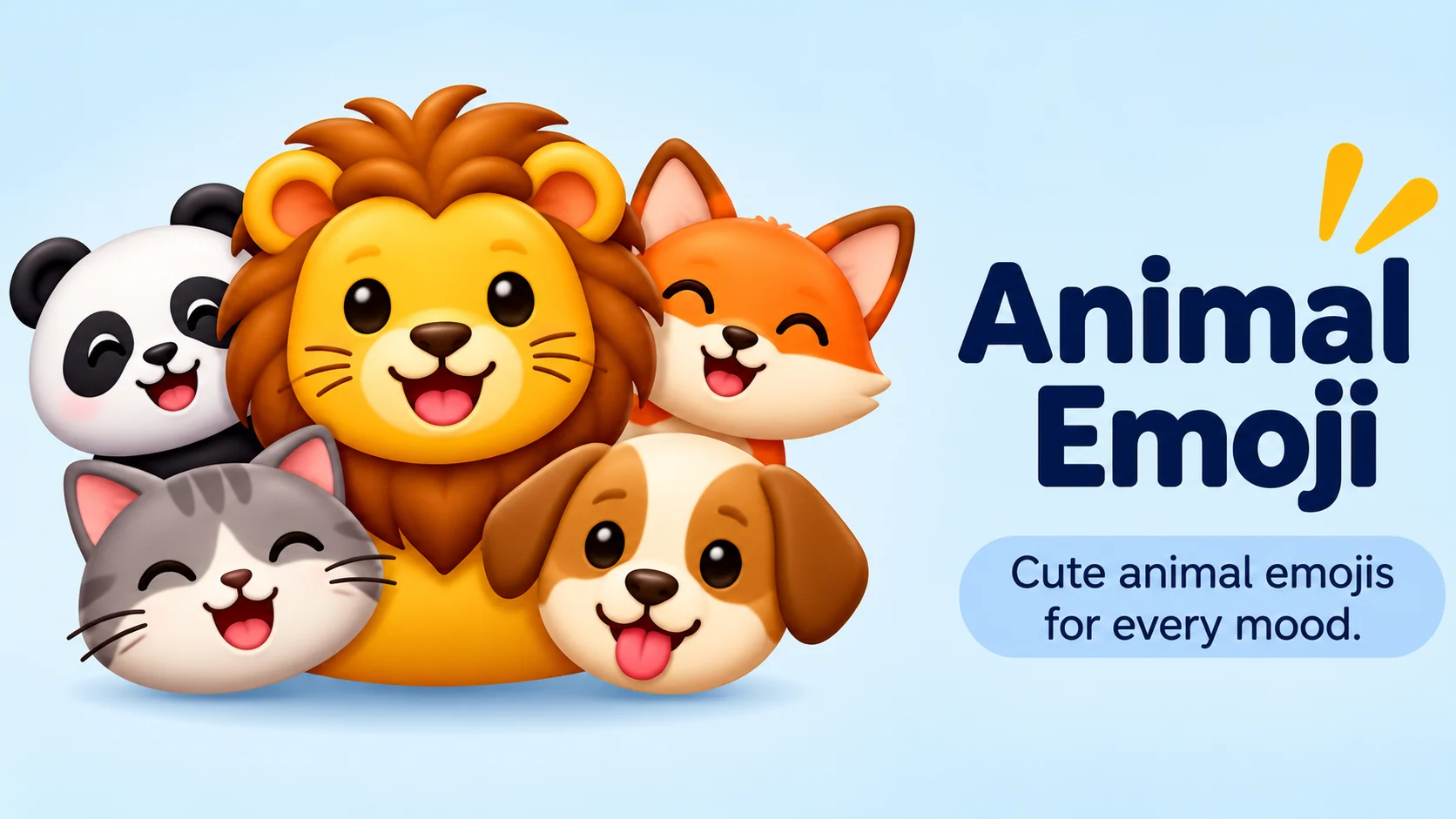
Animal emojis represent pets, wildlife, nature, personality traits, emotions, and everyday experiences. Characters such as 🐶, 🐱, 🦁, 🦊, and 🐼 can express affection, playfulness, bravery, cleverness, or humor. Their meanings depend on the animal, the conversation, and how someone uses them.
Animal emojis are some of the most recognizable symbols in digital communication. From cute pets like 🐶 and 🐱 to wild animals like 🦁 and 🐘, these characters help people express feelings, describe animals, share interests, and add personality to messages.
Different animals can suggest different ideas. A lion may represent courage and strength, while a rabbit can suggest cuteness, gentleness, or speed. A dog emoji often appears in conversations about pets, friendship, and loyalty, while a fox can represent cleverness or playfulness.
However, animal emojis do not have one fixed emotional meaning. Their interpretation depends on the message and the person using them. Some people use them literally to talk about animals, while others choose them as playful symbols, nicknames, reactions, or expressions of personality.
What Do Animal Emojis Mean?
Animal emojis are digital pictures of mammals, birds, reptiles, amphibians, insects, and other creatures. They belong to the Unicode emoji collection and are commonly used in messages, captions, comments, and social media posts.
Their meanings generally fall into several categories:
- Pets and affection: 🐶, 🐱, and 🐰 can represent pets, cuteness, and love for animals.
- Strength and courage: 🦁, 🐻, and 🐯 can suggest bravery, power, or confidence.
- Cleverness and playfulness: 🦊, 🐒, and 🦝 can represent mischief, curiosity, or humor.
- Nature and wildlife: 🐘, 🦒, 🐆, and 🦓 can represent wild animals and nature.
- Personality and symbolism: 🦋 can suggest change or transformation, while 🦉 can symbolize wisdom.
- Humor and reactions: 🐸, 🐵, and 🐔 can add a funny or exaggerated tone.
These are common informal associations, not official emotional definitions assigned by Unicode.
What Do Animal Emojis Mean in Text?
Animal emojis can represent actual animals, but people also use them to communicate feelings, personality, and reactions. Here are some common interpretations.
1. Cute and Affectionate Meaning
🐶, 🐱, 🐰, and 🐼 can express cuteness, affection, and love for animals.
Example:
“I saw the cutest puppy today 🐶❤️”
Likely meaning: The sender is sharing excitement and affection for a cute animal.
2. Strength and Confidence
🦁, 🐯, 🐻, and 🦍 can represent strength, courage, power, or confidence.
Example:
“Never give up. Stay strong like a lion 🦁”
Likely meaning: The lion represents courage and determination.
3. Funny and Playful Meaning
🐵, 🙈, 🐸, and 🐒 can add humor or playfulness to a conversation.
Example:
“I accidentally sent that message to the wrong person 🙈”
Likely meaning: The sender feels embarrassed or is making light of an awkward moment.
4. Friendship and Loyalty
🐶 and 🐬 can be used in messages about friendship, affection, and positive connections.
Example:
“Best friends forever 🐶❤️”
Likely meaning: The message expresses affection and friendship.
What Do Different Animal Emojis Represent?
Animal emojis have different meanings depending on their appearance and the situation.
Here are some recognizable examples:
- 🐶 Dog Face: Dogs, friendship, loyalty, and affection.
- 🐱 Cat Face: Cats, cuteness, independence, and playful behavior.
- 🦁 Lion: Courage, strength, confidence, and leadership.
- 🐼 Panda: Cuteness, gentleness, and a relaxed personality.
- 🐸 Frog: Nature, humor, and playful reactions.
- 🦊 Fox: Cleverness, curiosity, and clever behavior.
- 🐻 Bear: Strength, warmth, and affection.
- 🐵 Monkey Face: Playfulness, silliness, and funny situations.
These are informal interpretations, not official emotional definitions.
Animal Emoji Meanings in Different Situations
The same animal emoji can communicate different ideas depending on where and how someone uses it.
In Everyday Text Messages
Animal emojis make casual messages more expressive.
Example:
“Good morning! Hope you have a lovely day 🐰”
Likely meaning: A friendly and cheerful greeting.
In Friendship Conversations
🐶, 🐻, and 🐼 can add a warm or playful feeling to conversations between friends.
Example:
“You are my favorite person 😂🐻”
Likely meaning: The sender is expressing friendly affection.
On Social Media
Animal emojis can describe pets, wildlife, funny videos, or personal interests.
Example:
“Sunday morning with my little buddy 🐶”
Likely meaning: The caption is about spending time with a dog.
In Romantic Conversations
Some animal emojis can add a cute or affectionate tone to a romantic message.
Example:
“Can’t wait to see you 🐻❤️”
Likely meaning: The sender may be expressing warmth or affection.
However, an animal emoji alone does not prove romantic interest. The relationship and surrounding conversation matter.
Animal Emojis and Their Meanings
Here is a comparison of eight animal emojis, their official names, common interpretations, and typical uses.
| Emoji | Official Name | Common Meaning | Tone | Where or When It Is Used |
|---|---|---|---|---|
| 🐶 | Dog Face | Loyalty, pets, affection | Friendly, loving | Pet pictures and friendship messages |
| 🐱 | Cat Face | Cuteness, independence | Playful, cute | Cat lovers and casual chats |
| 🦁 | Lion | Courage, strength | Confident, powerful | Motivational messages and achievements |
| 🐼 | Panda | Cuteness, gentleness | Sweet, friendly | Cute captions and affectionate texts |
| 🐸 | Frog | Humor, nature | Funny, playful | Memes and humorous reactions |
| 🐵 | Monkey Face | Silliness, mischief | Playful, funny | Jokes and embarrassing moments |
| 🦊 | Fox | Cleverness, curiosity | Clever, mysterious | Animal discussions and playful captions |
| 🐻 | Bear | Strength, warmth | Comforting, affectionate | Friendly messages and cute reactions |
Which Animal Emojis Are Most Similar?
Some animal emojis can communicate similar feelings, but their individual meanings are different.
- 🐶 vs. 🐱: Both can represent beloved pets. The dog often suggests loyalty, while the cat can suggest independence.
- 🦁 vs. 🐯: Both can suggest strength and power. The lion is often associated with courage and leadership, while the tiger can suggest fierceness.
- 🐼 vs. 🐻: Both can create a cute or affectionate tone, although the bear may also suggest strength.
- 🐵 vs. 🐸: Both can appear in humorous conversations, but their meanings depend on the specific joke or reaction.
Choose the animal that best matches the message rather than assuming every animal has a fixed emotional meaning.
What Are the Different Categories of Animal Emojis?
Unicode organizes animal-related emojis within its broader Animals and Nature category. This includes mammals, birds, reptiles, amphibians, marine animals, and insects. unicode.org+1
Here are some examples from different animal groups.
Mammal Emojis
🐶 🐱 🦁 🐯 🐻 🐼 🐘 🦊 🐰 🐒
These represent familiar pets and wild mammals. People use them in pet conversations, animal descriptions, jokes, and nature-related posts.
Bird Emojis
🐦 🐧 🦅 🦉 🦆 🦚 🦜 🦢
Bird emojis can represent wildlife, freedom, nature, and specific bird species. For example, 🦉 is often associated with wisdom.
Marine Animal Emojis
🐬 🐳 🐋 🦈 🐙 🦀 🦞 🐢
These emojis are useful for conversations about oceans, sea animals, swimming, and marine life.
Reptile and Amphibian Emojis
🐸 🐊 🐍 🦎 🐢
These characters represent frogs, crocodiles, snakes, lizards, and turtles. Some can also be used in jokes and playful reactions.
Insect Emojis
🐝 🦋 🐞 🐜 🪲 🦗 🪰
Insect emojis often appear in conversations about gardens, nature, flowers, and wildlife.
How to Use Animal Emojis in Messages
Animal emojis can make a message feel more expressive without adding extra words.
Here are some natural examples:
For pets:
“My dog is having the best day ever 🐶❤️”
For encouragement:
“Be brave and keep going 🦁💪”
For humor:
“That was such a silly mistake 🙈😂”
For nature:
“Spending the afternoon watching birds 🦜🌳”
For affection:
“Sending you a big bear hug 🐻❤️”
For excitement:
“Look at this adorable little panda! 🐼😍”
Each example uses the animal as a visual addition to the message.
How to Respond When Someone Sends an Animal Emoji
Your response can depend on the animal and the conversation.
If Someone Sends a Cute Animal
You can respond:
- “Aww, that’s adorable! 🥰”
- “I love cute animals!”
- “Look at that little face! 🐼”
If Someone Sends a Funny Animal Emoji
Try:
- “Why is that so funny? 😂”
- “That perfectly describes you!”
- “I’m laughing at this one!”
If Someone Sends a Lion or Tiger
You can say:
- “That’s some serious confidence! 💪”
- “Stay strong!”
- “Love the energy!”
If Someone Sends an Animal You Don’t Understand
You can simply ask:
- “What animal is that?”
- “What does that emoji mean here?”
- “Is that your favorite animal?”
These responses keep the conversation natural without assuming what the sender intended.
Animal Emoji Copy and Paste
Want to use animal emojis in your messages, captions, or social media posts? Here is a collection you can copy and paste.
Pets and cute animals:
🐶
🐱
🐰
🐹
🐼
🐻
🐨
🐭
🐷
🐮
Wild animals:
🦁
🐯
🐘
🦊
🐺
🦒
🦓
🦛
🦏
🦍
Birds:
🐦
🐧
🦅
🦉
🦆
🦚
🦜
🦢
🦩
🐓
Sea animals:
🐬
🐳
🐋
🦈
🐙
🦀
🦞
🦐
🦑
🪼
Other animals:
🐸
🐢
🐍
🦎
🦋
🐝
🐞
🐜
🦔
🦇
FAQs
What does the animal emoji mean?
Animal emojis represent different animals, but they can also express emotions, personality traits, humor, affection, and connections with nature.
What is the most common animal emoji?
There is no single animal emoji that has one universal meaning or is officially ranked as the most common.
What does 🐶 mean in texting?
🐶 is officially called Dog Face. In messages, it can represent an actual dog, love for pets, loyalty, friendship, or affection.
What does 🦁 mean in a message?
🦁 is the Lion emoji. It can represent courage, confidence, leadership, and strength. It may also simply refer to the animal.
What does 🐸 mean in texting?
🐸 is the Frog emoji. It can represent frogs, nature, humor, or a playful reaction. Its meaning depends on the conversation.
Are animal emojis romantic?
Some animal emojis can add a cute or affectionate feeling to romantic messages, especially when combined with hearts
Conclusion
Animal emojis 🐶🐱🦁🐼 make digital conversations more expressive, playful, and personal. They can represent real animals, friendship, affection, courage, humor, and different personality traits. Each character has its own official name, while its informal meaning can change with the conversation. Whether you are sharing a pet picture, writing a funny caption, or sending a friendly message, choosing the right animal emoji helps communicate your intended feeling.
Discover More Related Articles:
- Chick Emoji Meaning | Birth, Spring & New Beginnings In 2026
- Juice Box Emoji | Meaning for Kids, Drinks & Everyday Chats In 2026
